

How high does
a cat live?
Higher than you’d think. We start at 5,500 metres — the frozen roof of the world — and walk all the way down to the sea, meeting all 18 of them at the altitude each one calls home.
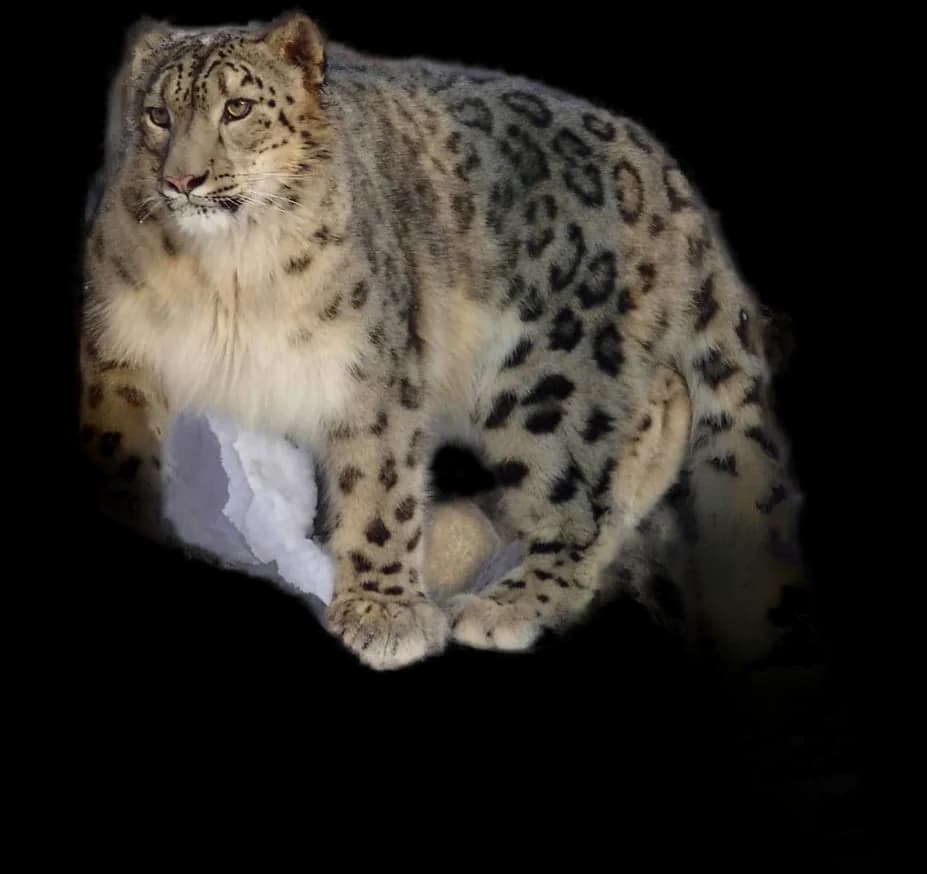
Snow Leopard
Panthera uncia
Its meter-long tail stores fat and works as a scarf — the cat drapes it over its own face to breathe warm air while it sleeps.
Vulnerable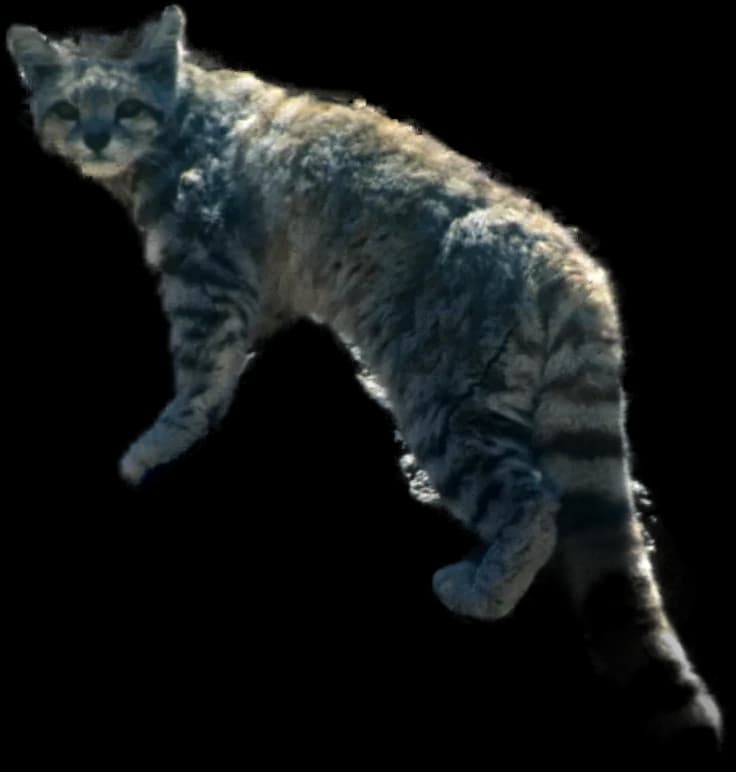
Andean Mountain Cat
Leopardus jacobita
Almost no one has seen one alive. Andean herders still keep its dried pelt as a charm to bless their livestock.
Endangered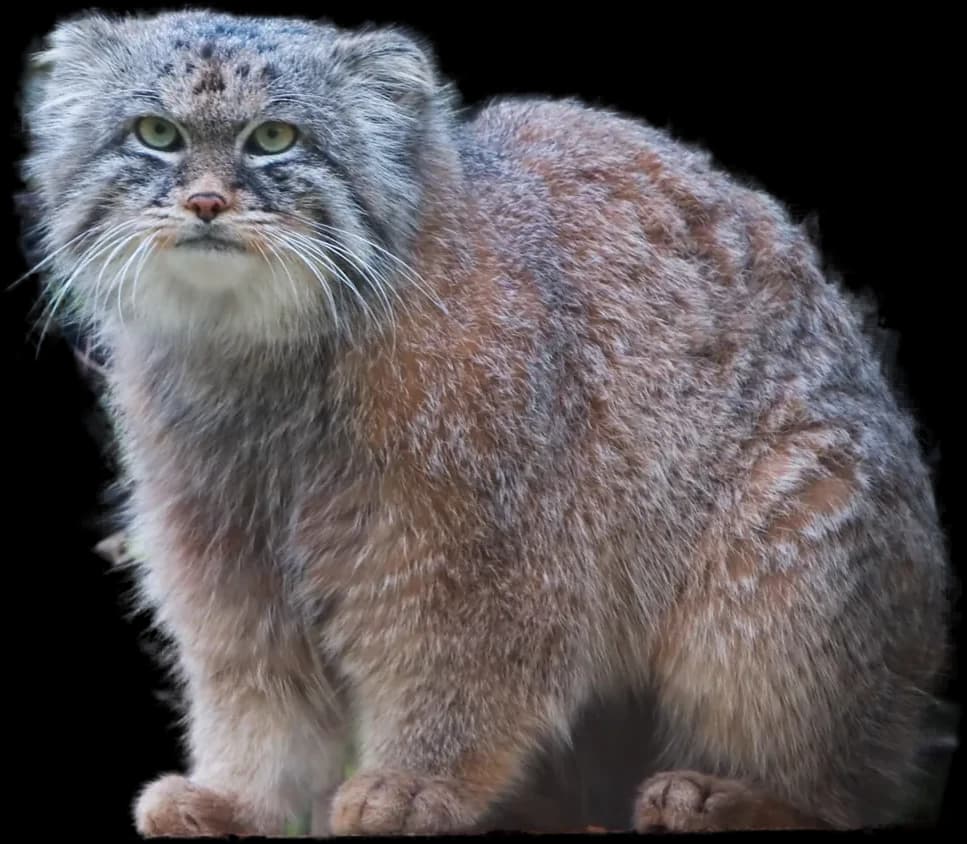
Pallas's Cat
Otocolobus manul
It has the densest fur of any cat. Its ears sit low on the sides of its head, so it can peer over a rock without being seen.
Least Concern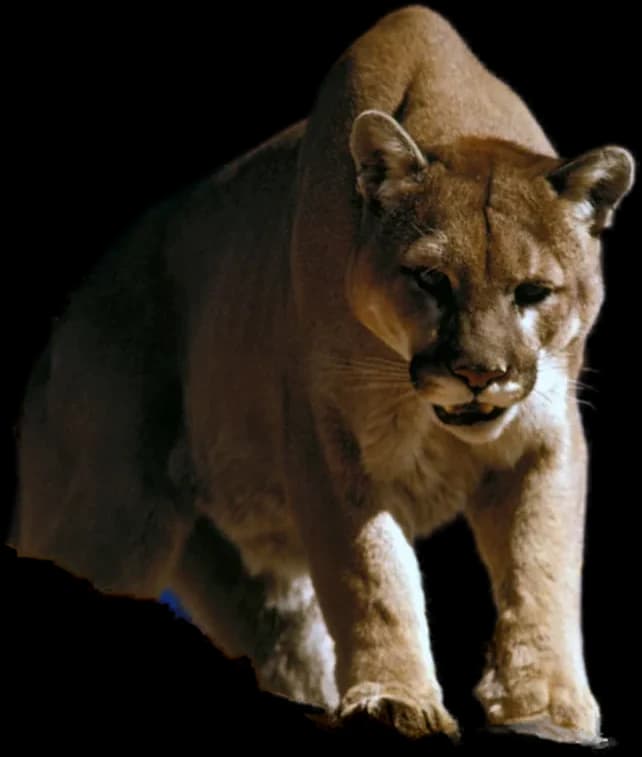
Puma
Puma concolor
It lives from the Canadian Yukon to the tip of Chile — and it can't roar. Like a house cat, a puma purrs.
Least Concern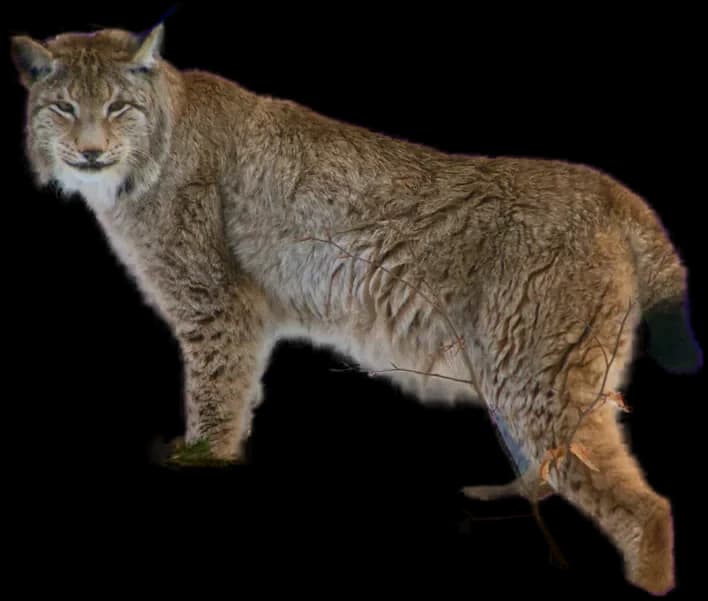
Eurasian Lynx
Lynx lynx
The largest of the lynxes. It brings down deer several times its own weight, then drags the carcass off to cache under the snow.
Least Concern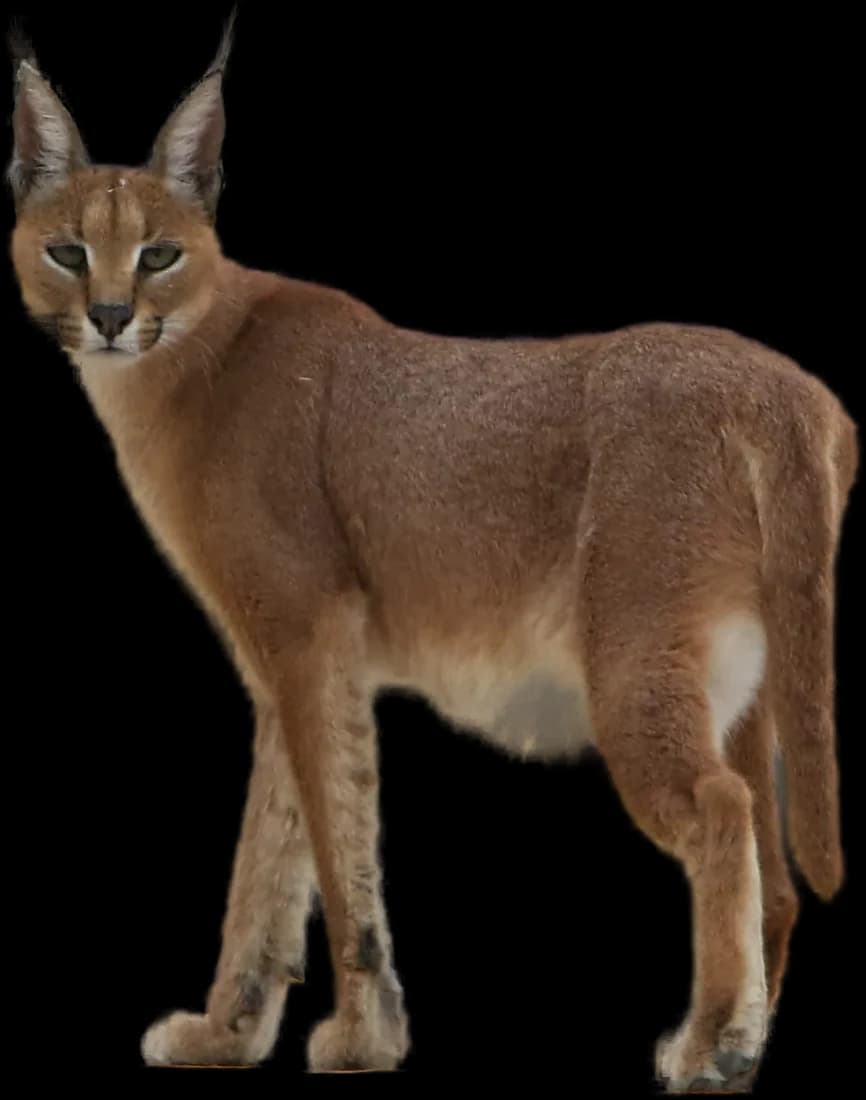
Caracal
Caracal caracal
It can spring over 3 m straight up and bat birds out of the air — sometimes knocking down several in a single leap.
Least Concern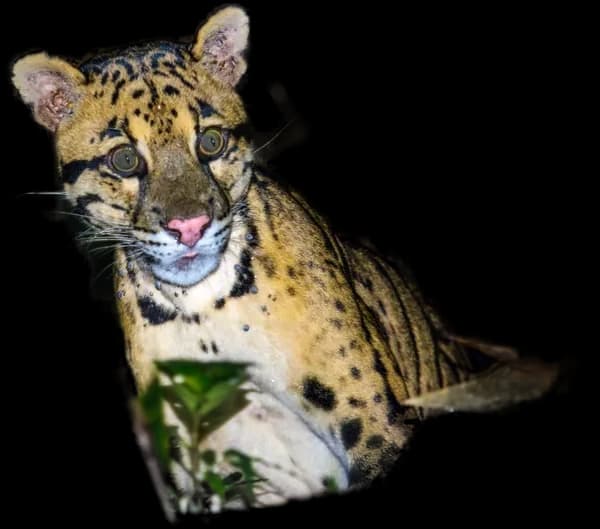
Clouded Leopard
Neofelis nebulosa
Its canines are the longest of any living cat, relative to size. Its ankles swivel so far it can walk down a tree trunk head-first.
Vulnerable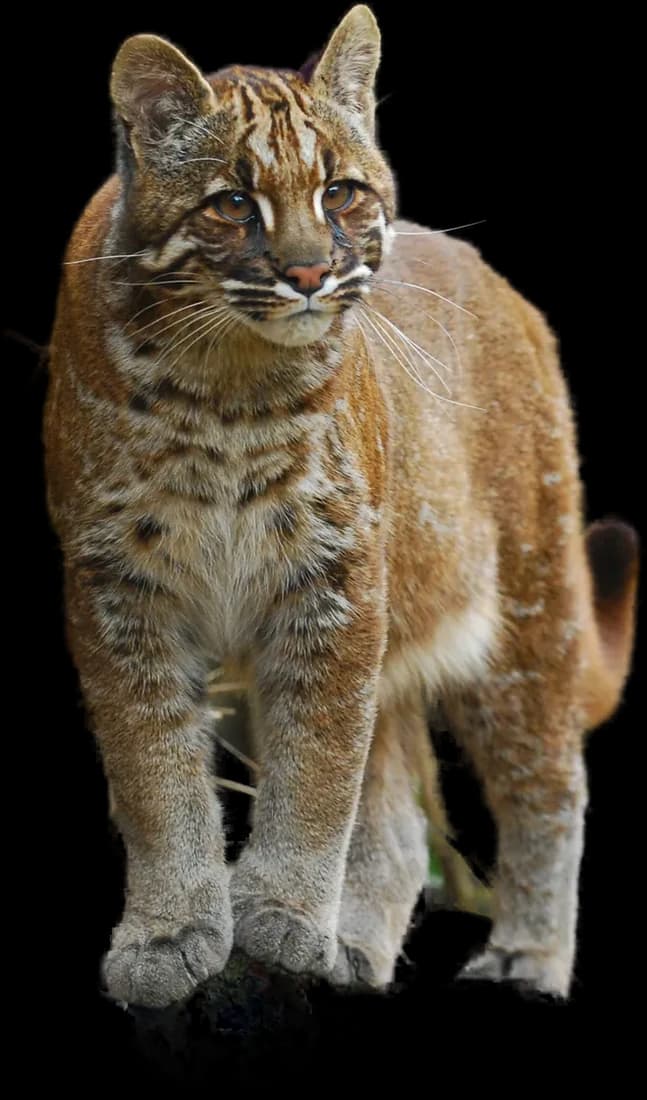
Asian Golden Cat
Catopuma temminckii
In Sikkim's high forests, every one ever photographed has been jet-black — an all-melanistic population found nowhere else on Earth.
Vulnerable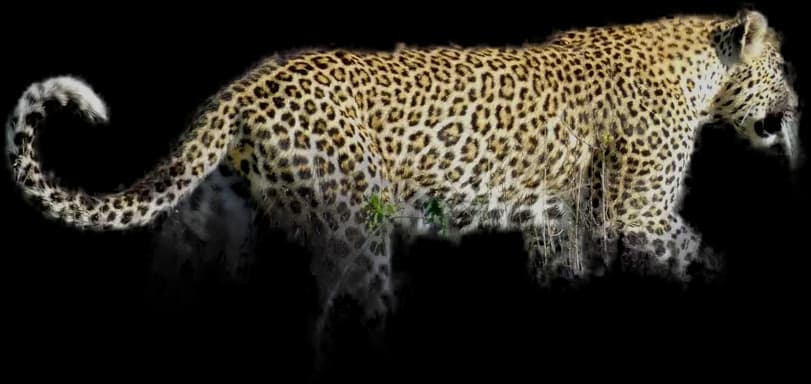
Leopard
Panthera pardus
It hauls prey heavier than itself straight up a tree trunk, lifting the whole carcass out of reach of lions and hyenas.
Vulnerable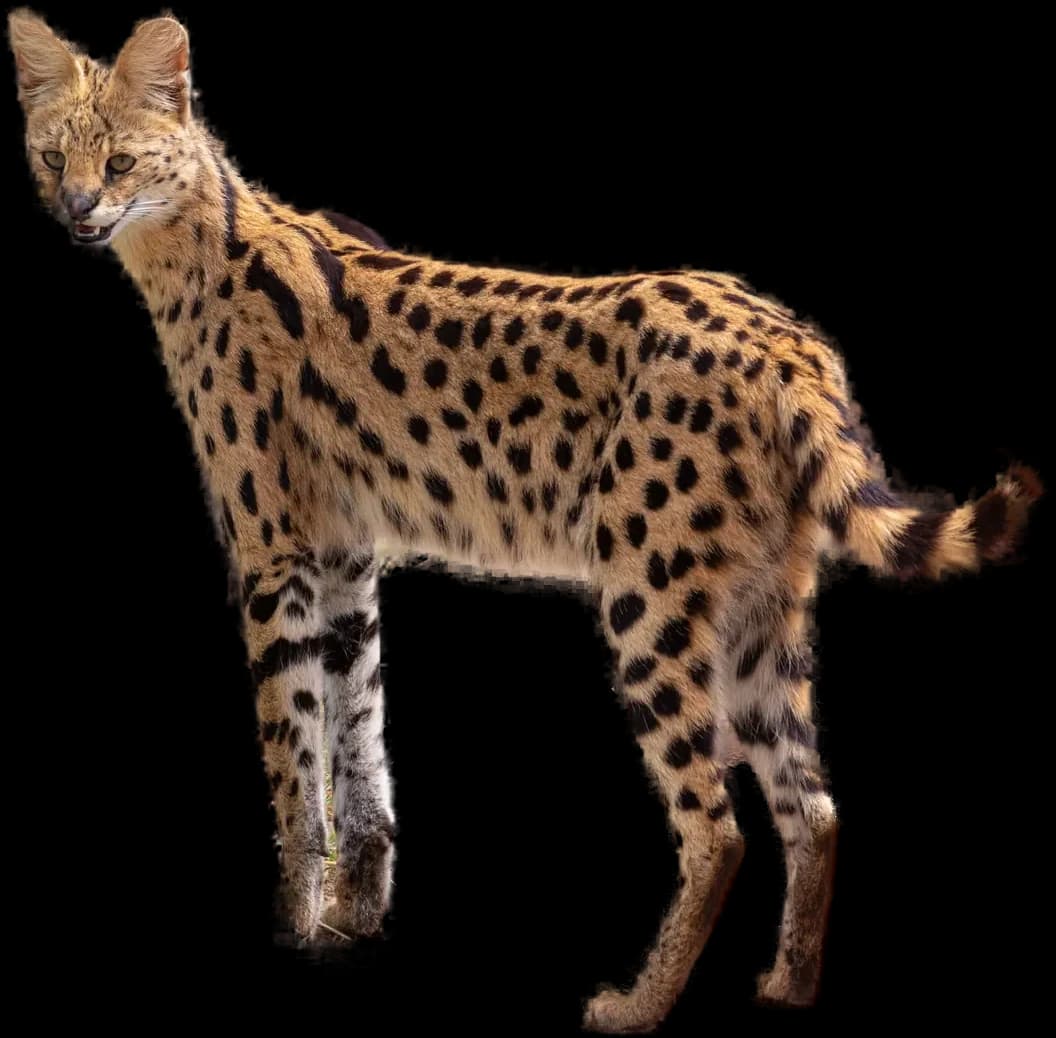
Serval
Leptailurus serval
It has the longest legs and the biggest ears, for its size, of any cat — and leaps 2–3 m up to pluck birds out of the air.
Least Concern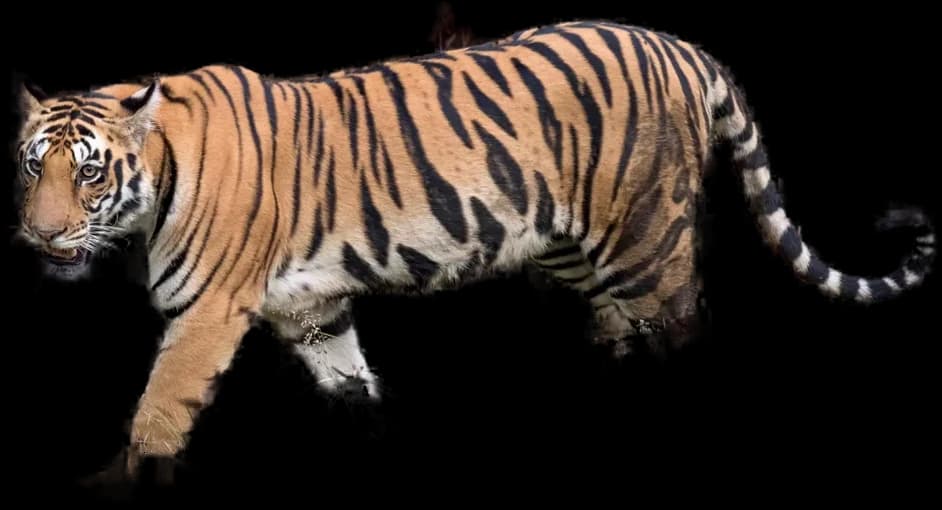
Tiger
Panthera tigris
The largest cat alive. Every stripe pattern is unique, and the stripes grow from the skin itself — shave a tiger and they're still there.
Endangered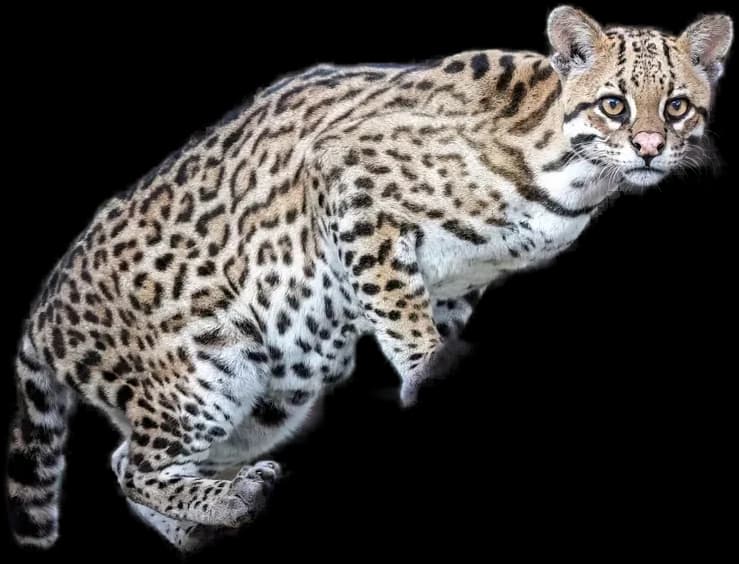
Ocelot
Leopardus pardalis
No two ocelots wear the same coat. Researchers tell individuals apart from camera-trap photos the way we read fingerprints.
Least Concern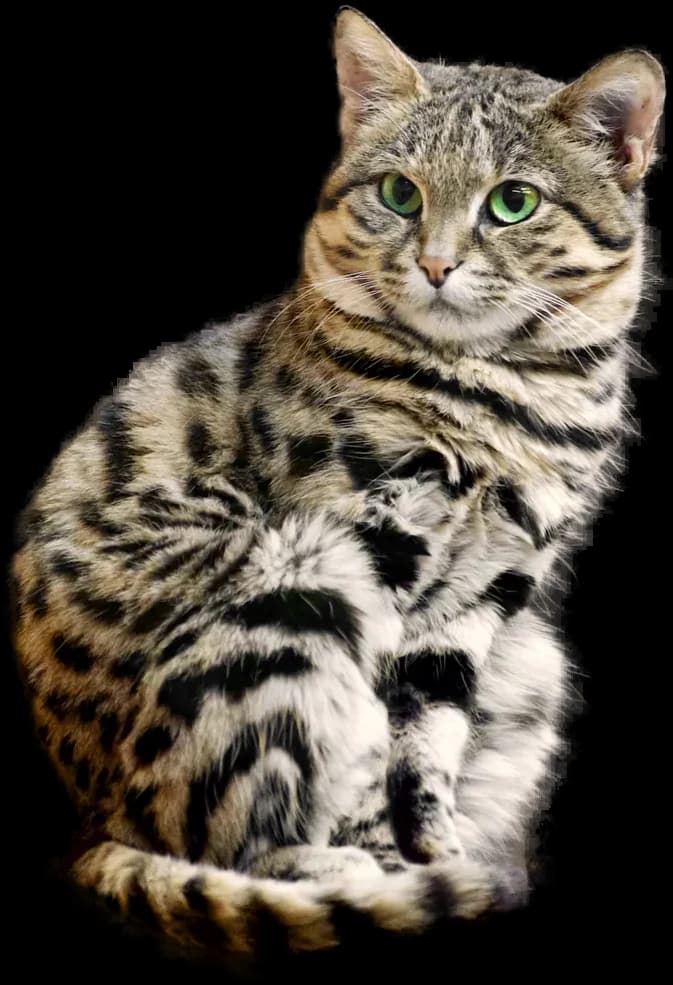
Black-footed Cat
Felis nigripes
Africa's smallest cat is also its deadliest. In one night it catches 10–14 animals — more prey than a leopard takes in six months.
Vulnerable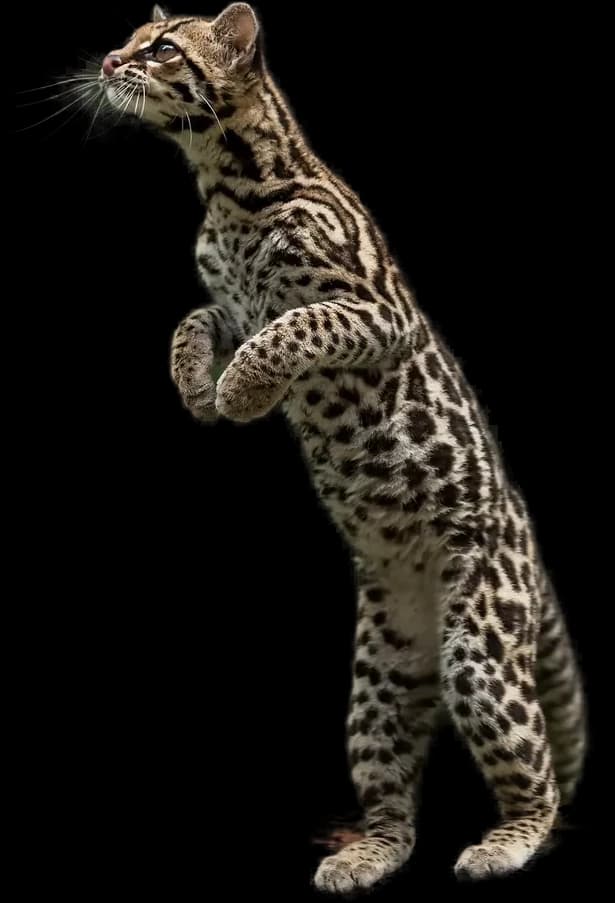
Margay
Leopardus wiedii
It rotates its ankles a full 180°, hangs from a branch by one back foot, and runs down tree trunks head-first like a squirrel.
Near Threatened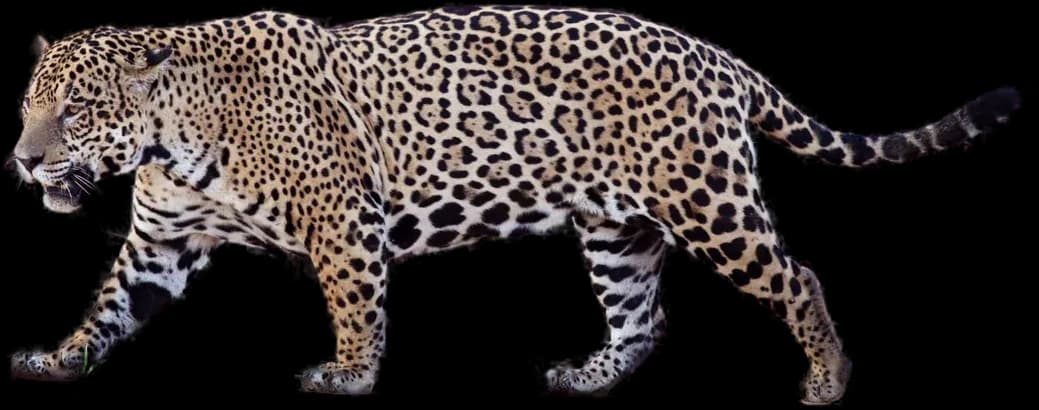
Jaguar
Panthera onca
It kills in a way no other big cat routinely does — biting straight through the skull, between the ears. And it loves the water.
Near Threatened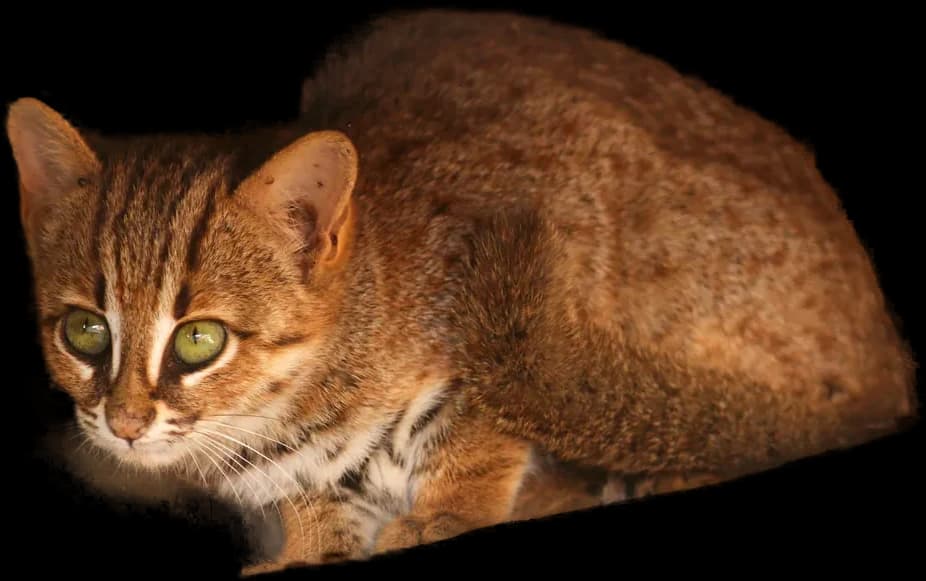
Rusty-spotted Cat
Prionailurus rubiginosus
It rivals the smallest cat on Earth — under a kilogram, light enough to curl up in your two cupped hands.
Near Threatened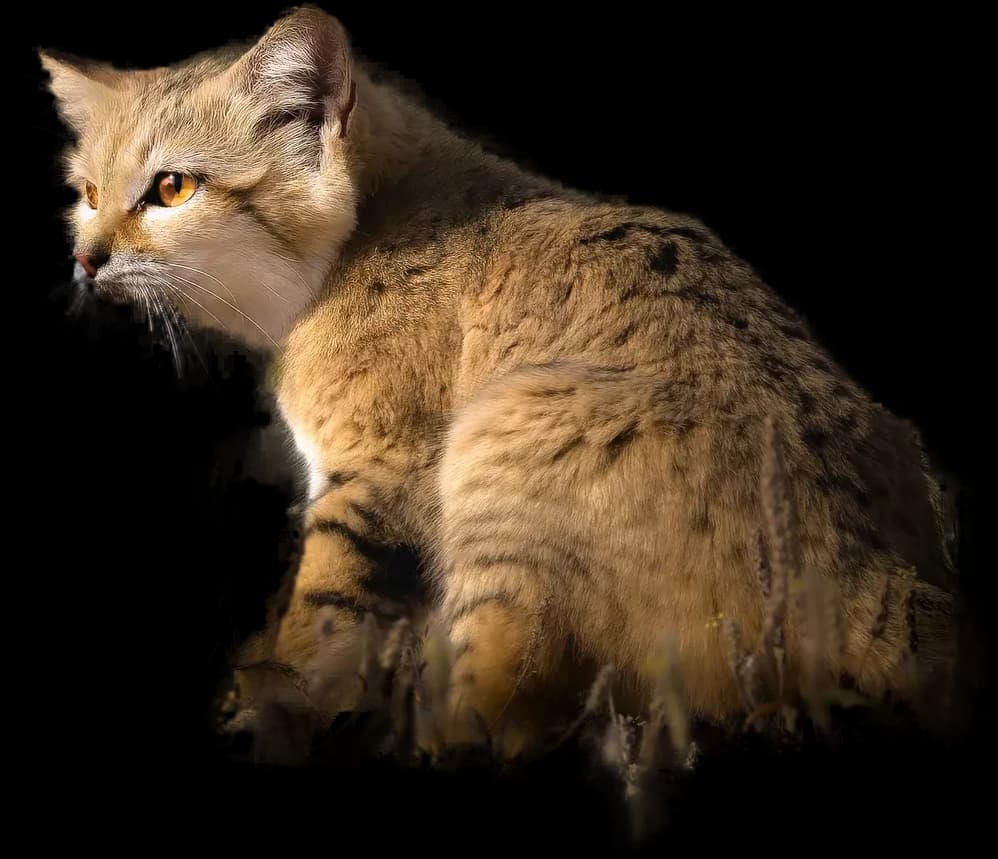
Sand Cat
Felis margarita
The only cat of the true desert. Fur grows over the soles of its paws, it leaves almost no tracks, and it hunts horned vipers.
Least Concern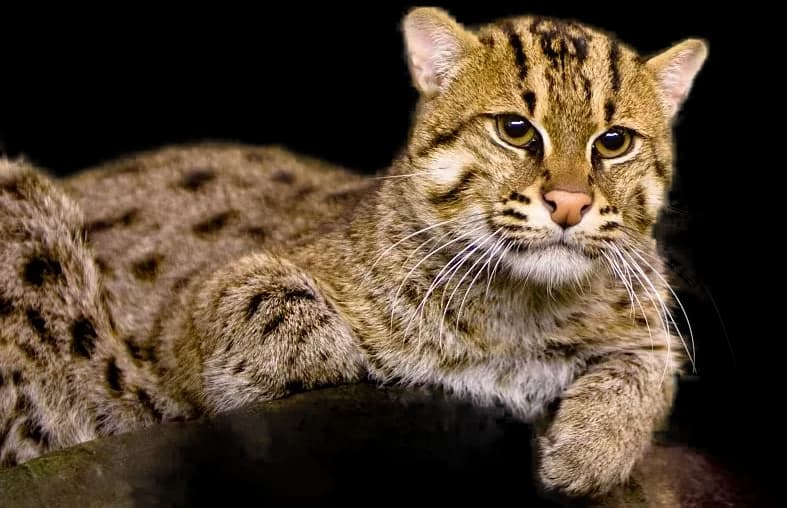
Fishing Cat
Prionailurus viverrinus
It dives fully underwater for fish on partly webbed toes — and taps the surface with a paw to mimic an insect and draw fish in.
VulnerableAnd here, at the bottom — the cat that came home.
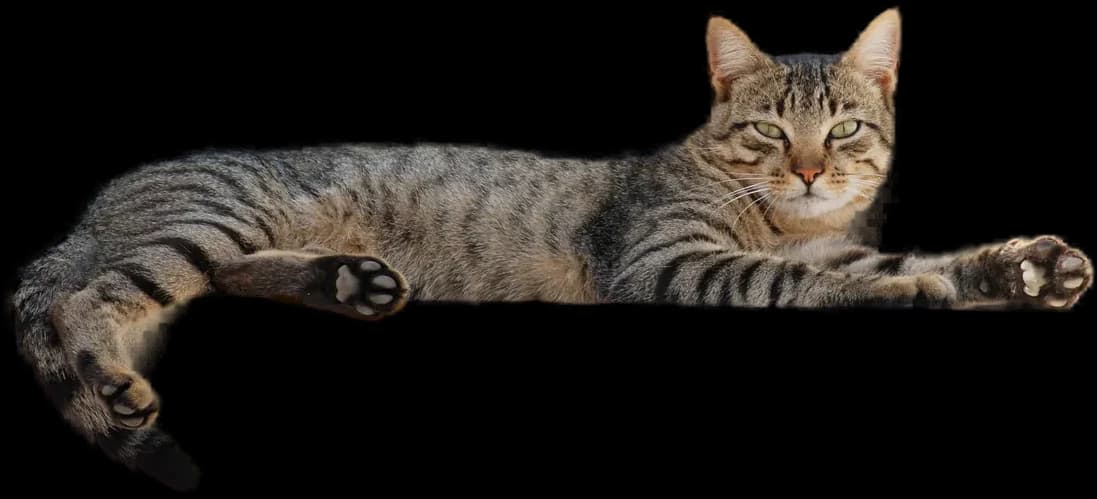
Every house cat descends from the African wildcat. Nobody really bred it — it more or less domesticated itself around our first grain stores.
It shares roughly 95% of its DNA with the tiger. Nearly the same animal — one just chose the windowsill.
You descended 5,500 metres past 18 wild cats.
11 of them are losing their wild.
The high ones, the small ones, the ones almost nobody has seen — they only get to stay wild if the wild does too.